
custom logo mirrors
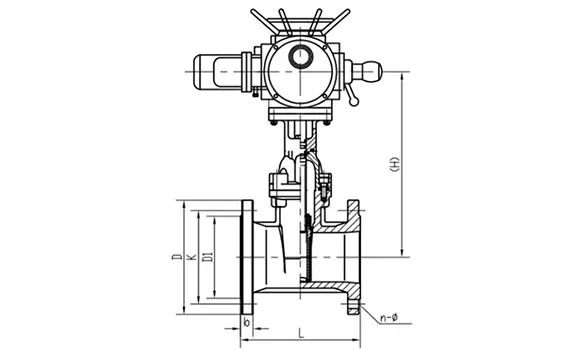
Understanding the Pricing of 3-Inch Gate Valves When it comes to industrial applications, gate valves are a fundamental component in controlling the flow of fluids. Among the various sizes available, the 3-inch gate valve is particularly popular due to its versatility and effectiveness in a range of operations, from water supply systems to chemical processing. However, understanding the pricing of these valves is crucial for businesses and engineers looking to make informed purchasing decisions. Understanding the Pricing of 3-Inch Gate Valves Another significant factor influencing the price is the manufacturer. Established brands known for their high-quality products may charge a premium compared to lesser-known brands. While opting for a more economical choice might seem appealing, it’s essential to consider factors such as reliability and performance, which could ultimately impact overall operational efficiency and safety. Therefore, investing in a reputable brand may save costs in the long run, reducing the need for frequent replacements or repairs. 3 inch gate valve price The design and functional features of the valve also play a role in its pricing. Standard gate valves are generally more affordable, while those with additional features like enhanced sealing capabilities, automated controls, or specialized connections may come at a higher price point. These advanced options can provide increased efficiency and ease of use, making them worthwhile investments for specific applications. Market demand and economic conditions can also affect the prices of 3-inch gate valves. For instance, during periods of increased construction activities or industrial expansion, the demand for gate valves can surge, leading to higher prices. Conversely, during economic downturns, the market may see a decrease in demand, potentially lowering prices. In conclusion, understanding the pricing of 3-inch gate valves requires careful consideration of various factors, including material, manufacturer reputation, design features, and market conditions. Businesses and engineers should conduct thorough research and cost-benefit analyses before making a purchase. By doing so, they can ensure that they choose the right valve that not only fits their budget but also meets the performance requirements of their specific applications. Ultimately, investing time and resources in selecting the right gate valve can lead to enhanced operational efficiency and long-term savings.
about
custom logo mirrors
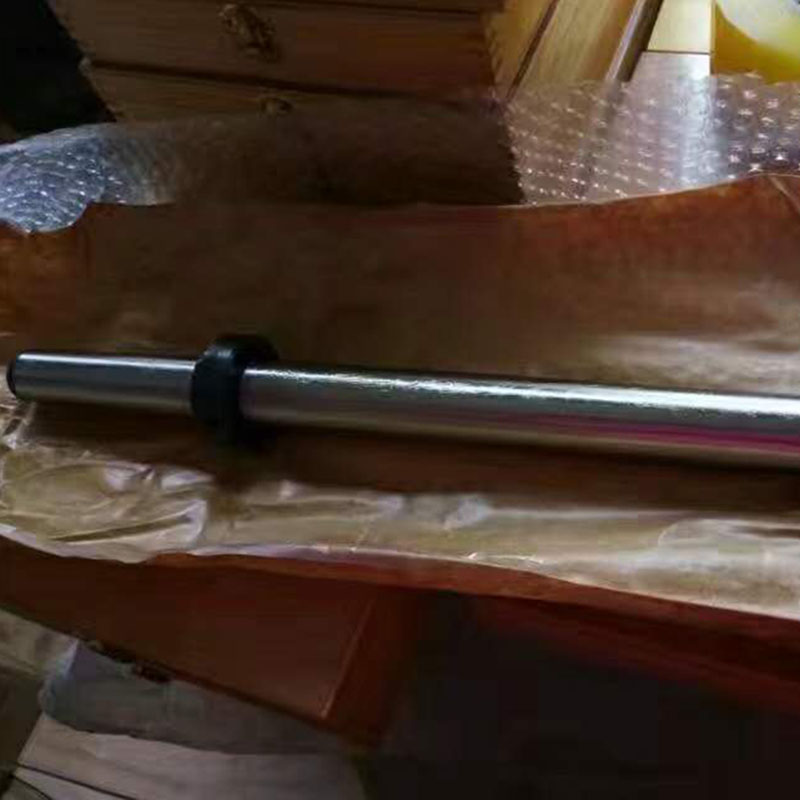
Understanding Plain Plug Gauge Standards In the world of manufacturing and quality assurance, precise measurement is paramount. Among the various tools used to ensure dimensional accuracy, plain plug gauges stand out for their simplicity and effectiveness. This article delves into the standards governing plain plug gauges, their applications, and their significance in quality control processes. What is a Plain Plug Gauge? A plain plug gauge is a cylindrical measuring tool used primarily to check the internal diameters of holes or the external diameters of cylindrical parts. They are characterized by their straightforward design, typically featuring a smooth, cylindrical body with a precisely defined diameter. The plug gauge is meant to either fit within a hole (go gauge) or not fit at all (no-go gauge). This binary assessment enables manufacturers to quickly verify whether a component meets specified tolerances. Importance of Standards The effectiveness of plain plug gauges is intrinsically linked to the standards established within the industry. These standards provide guidelines on the design, usage, and calibration of gauges, ensuring that they deliver reliable results across different applications. Without these standards, discrepancies in measurements could lead to faulty products, increased costs, and safety concerns. Key Standards for Plain Plug Gauges Several organizations and standards are prominent in the calibration of plain plug gauges. Among them, the most widely recognized is the International Organization for Standardization (ISO). ISO 5408 outlines the definitions and classifications of gauges, delivering a comprehensive framework for measuring instruments. Additionally, the American National Standards Institute (ANSI) provides guidelines that define tolerances and dimensions specifically for plug gauges, ensuring compatibility with a broad range of manufacturing processes. These standards address crucial aspects, including material properties, temperature stability, and wear resistance. For instance, the materials used in constructing plain plug gauges—often high-carbon steel or carbide—are specified to ensure durability and precision. Proper calibration methods are also outlined, which are essential to maintain the accuracy of the gauges over time. plain plug gauge standard Applications in Manufacturing Plain plug gauges are employed across various industries, including automotive, aerospace, and electronics. Their applications range from checking the fit of bearings and shafts to ensuring the proper alignment of holes in assemblies. By verifying that parts meet strict tolerances, manufacturers can avoid assembly issues and product failures down the line. Moreover, plain plug gauges facilitate the statistical process control (SPC) in manufacturing. By regularly using gauges to sample parts from a production line, manufacturers can make real-time adjustments to processes, ensuring that quality standards are consistently met. This proactive approach reduces waste and enhances overall efficiency. Importance of Calibration and Maintenance To ensure that plain plug gauges continue to meet the stringent requirements set forth by standards, regular calibration and maintenance are imperative. Calibration involves comparing the gauge with a standard reference to identify any discrepancies. Maintenance includes routine cleaning and proper storage to prevent wear and tear. Manufacturers should establish a detailed calibration schedule and maintain records of all calibrations and adjustments made. This level of diligence not only guarantees compliance with standards but also builds trust with customers regarding the quality of the finished products. Conclusion Plain plug gauges play a critical role in the manufacturing and quality assurance processes. Their reliance on established standards, such as those provided by ISO and ANSI, underscores the importance of precision in measurement. By adhering to these standards, manufacturers can ensure that their products meet stringent quality requirements, ultimately leading to greater efficiency, reduced costs, and improved customer satisfaction. In a competitive market where precision is key, the significance of plain plug gauges cannot be overstated.
-

High quality industrial productsagement

High quality industrial products
View Details -

Meet the diverse needs of customers

Meet the diverse needs of customers
View Details -

Strict quality control

Strict quality control
View Details -

Top raw materials

Top raw materials
View Details -

Trusted supplier

Trusted supplier
View Details
Our application

news and information

water hose check valve
Understanding the Importance of Water Hose Check Valves Water hose check valves are essential compon

y type filter
Understanding Y-Type Filters A Comprehensive Overview In the intricate world of fluid dynamics and s
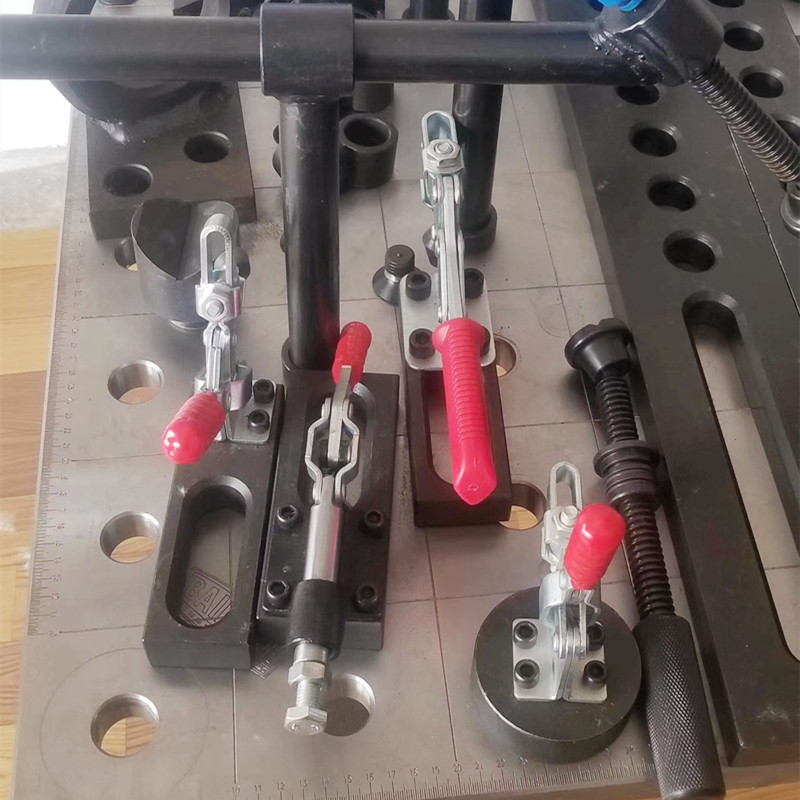
What is the Difference Between Butterfly Valve and Gate Valve
Butterfly valves and gate valves have significant differences in multiple aspects, mainly reflected
 English